Which is the Best Material to Make Rain Boots?
- Get link
- X
- Other Apps
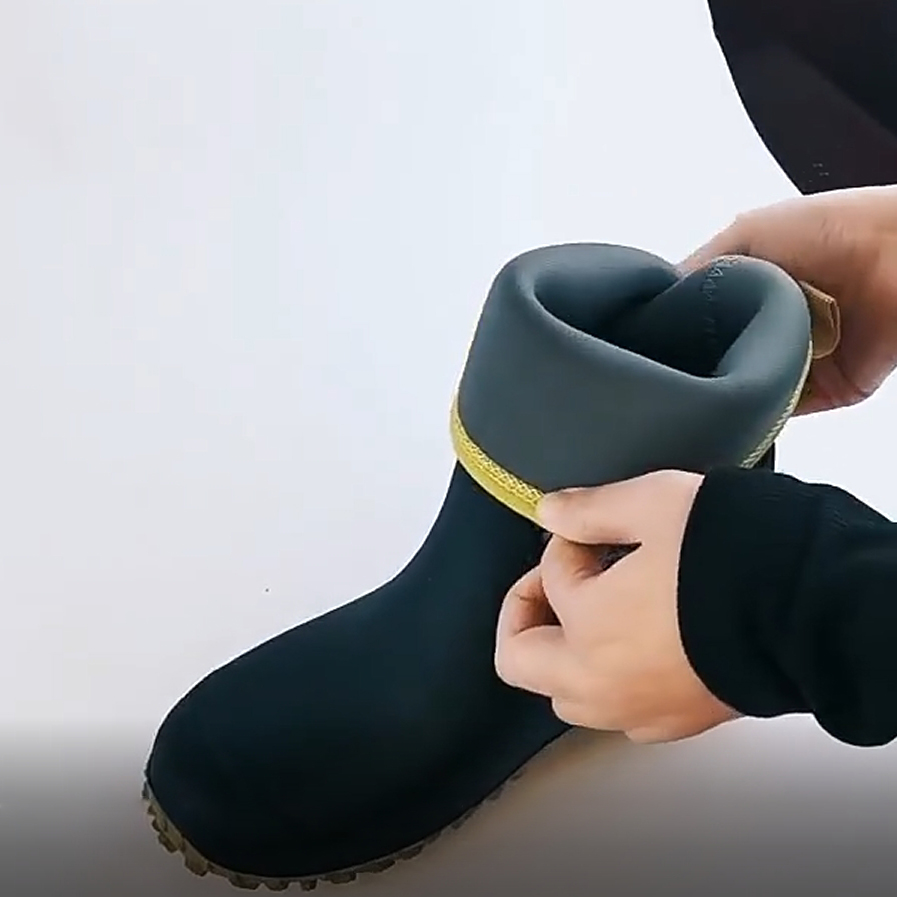
When it comes to the best material for making rain boots, several options stand out, each with its own set of advantages and disadvantages. The choice of material can significantly impact the boot's durability, comfort, and overall performance in wet conditions. Let's explore the most common materials used in rain boots and their respective benefits.
Rubber
Natural rubber is often considered the gold standard for rain boots. It is highly durable, flexible, and provides excellent waterproofing. Rubber boots can withstand harsh weather conditions and are resistant to wear and tear. The flexibility of rubber also ensures a comfortable fit, allowing for ease of movement. Additionally, rubber is a sustainable material, as it can be harvested from rubber trees and is biodegradable. One of the main drawbacks of rubber is that it can be heavy, which might not be ideal for extended wear.
PVC (Polyvinyl Chloride)
PVC is another popular material used in rain boots. It is a type of plastic that is both waterproof and lightweight. PVC boots are often more affordable than rubber boots and can be molded into various shapes and designs. This material is also easy to clean and maintain. However, PVC is less flexible than rubber, which can result in a less comfortable fit. Additionally, PVC is not as environmentally friendly, as it is derived from petroleum and is not biodegradable.
Neoprene
Neoprene is a synthetic rubber that is commonly used in muck boots. It offers excellent insulation, making it ideal for cold weather conditions. Neoprene is also waterproof and resistant to chemicals and oils, adding to its durability. Boots made from neoprene are often lined with a softer material for added comfort. However, neoprene can be more expensive than other materials and may not be as breathable, which could lead to sweaty feet in warmer weather.
EVA (Ethylene Vinyl Acetate)
EVA is a lightweight, flexible material often used in the midsoles of rain boots for added cushioning. While it is not typically used as the primary material for the entire boot, it enhances comfort and shock absorption. EVA is water-resistant and provides good insulation, but it is not as durable as rubber or neoprene. Boots that incorporate EVA are usually designed for casual, everyday use rather than heavy-duty tasks.
Leather
While not as common, some rain boots incorporate leather elements for added style and durability. Leather is naturally water-resistant but requires regular maintenance to keep it in good condition. Leather rain boots often feature rubber soles and waterproof linings to enhance their functionality. They offer a unique blend of style and performance but can be more expensive and require more care than boots made from synthetic materials.
Conclusion
In conclusion, the best material for rain boots depends on your specific needs and preferences. Rubber is highly durable and flexible, making it an excellent choice for long-lasting and comfortable boots. PVC offers affordability and ease of maintenance but may lack the flexibility and environmental benefits of rubber. Neoprene provides superior insulation and chemical resistance, ideal for colder climates and heavy-duty use. EVA adds cushioning and comfort, while leather offers a stylish and durable option with proper care. By understanding the benefits and drawbacks of each material, you can make an informed decision and find the perfect pair of rain boots to suit your lifestyle.
- Get link
- X
- Other Apps


Comments
Post a Comment