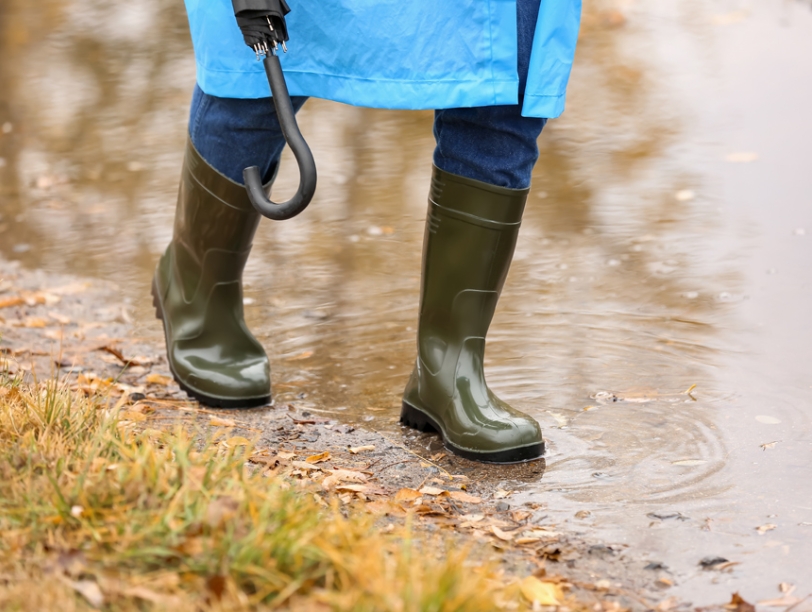
Rain boots are a versatile and practical addition to any wardrobe, but when is the best time to wear them? In this blog, we will explore the benefits of wearing rain boots and the situations in which they are most useful. Whether you're navigating city streets, working in the garden, or facing harsh weather conditions, understanding when to wear rain boots can help you make the most of their protective features.
- Waterproof Protection: The primary benefit of rain boots is their ability to keep your feet dry. Made from materials like rubber and PVC, rain boots provide a waterproof barrier that prevents water from seeping in, even during heavy downpours.
- Durability: Rain boots are designed to withstand harsh conditions. They are resistant to wear and tear, making them a reliable choice for various activities, from outdoor work to recreational pursuits.
- Safety: Many rain boots come with features such as slip-resistant soles and reinforced toes, providing added protection against slips, falls, and other hazards. This makes them ideal for use in environments where safety is a concern.
- Comfort: Modern rain boots often include cushioned insoles and ergonomic designs, ensuring comfort during extended wear. Some models also offer insulation to keep your feet warm in cold weather.
- Easy Maintenance: Rain boots are easy to clean and maintain. Simply rinse them off after use, and they are ready for the next wear. This makes them a practical choice for muddy or dirty conditions.
- Rainy Weather: The most obvious time to wear rain boots is during rainy weather. Whether you're commuting to work, running errands, or taking a walk, rain boots will keep your feet dry and comfortable.
- Gardening: Gardening often involves working in wet and muddy conditions. Rain boots provide the necessary protection to keep your feet dry and prevent mud from getting inside your shoes.
- Outdoor Work: For those who work outdoors, such as farmers, construction workers, and landscapers, rain boots are essential. They offer protection against water, mud, and other hazards commonly encountered in these environments.
- Festivals and Events: Outdoor festivals and events can be unpredictable, with sudden changes in weather. Wearing rain boots ensures that you can enjoy the festivities without worrying about wet feet.
- Hiking and Camping: While traditional hiking boots are preferred for long treks, rain boots can be useful for shorter hikes or camping trips, especially in wet conditions. They provide waterproof protection and are easy to clean after a muddy adventure.
- Fit: Ensure that your rain boots fit properly. They should be snug enough to prevent water from getting in but not so tight that they cause discomfort. Consider wearing thicker socks for added warmth and comfort.
- Height: Rain boots come in various heights, from ankle boots to knee-high boots. Choose the height that best suits your needs. Knee-high boots offer more protection in deep water or mud, while ankle boots are lighter and more comfortable for everyday wear.
- Material: Consider the material of the rain boots. Rubber and PVC are common choices, each with its own benefits. Rubber is more flexible and eco-friendly, while PVC is durable and affordable.
- Design: Rain boots come in a wide range of designs and colors. Choose a style that reflects your personal taste and complements your wardrobe.
Rain boots are a practical and versatile footwear choice that offers numerous benefits, from waterproof protection to enhanced safety and comfort. Understanding when to wear rain boots and how to choose the right pair can help you make the most of their features. Whether you're braving the rain, working outdoors, or attending a festival, rain boots are a reliable companion that will keep your feet dry and comfortable.


Comments
Post a Comment