Should Rain Boots Be Tight or Loose? Finding the Perfect Fit
- Get link
- X
- Other Apps
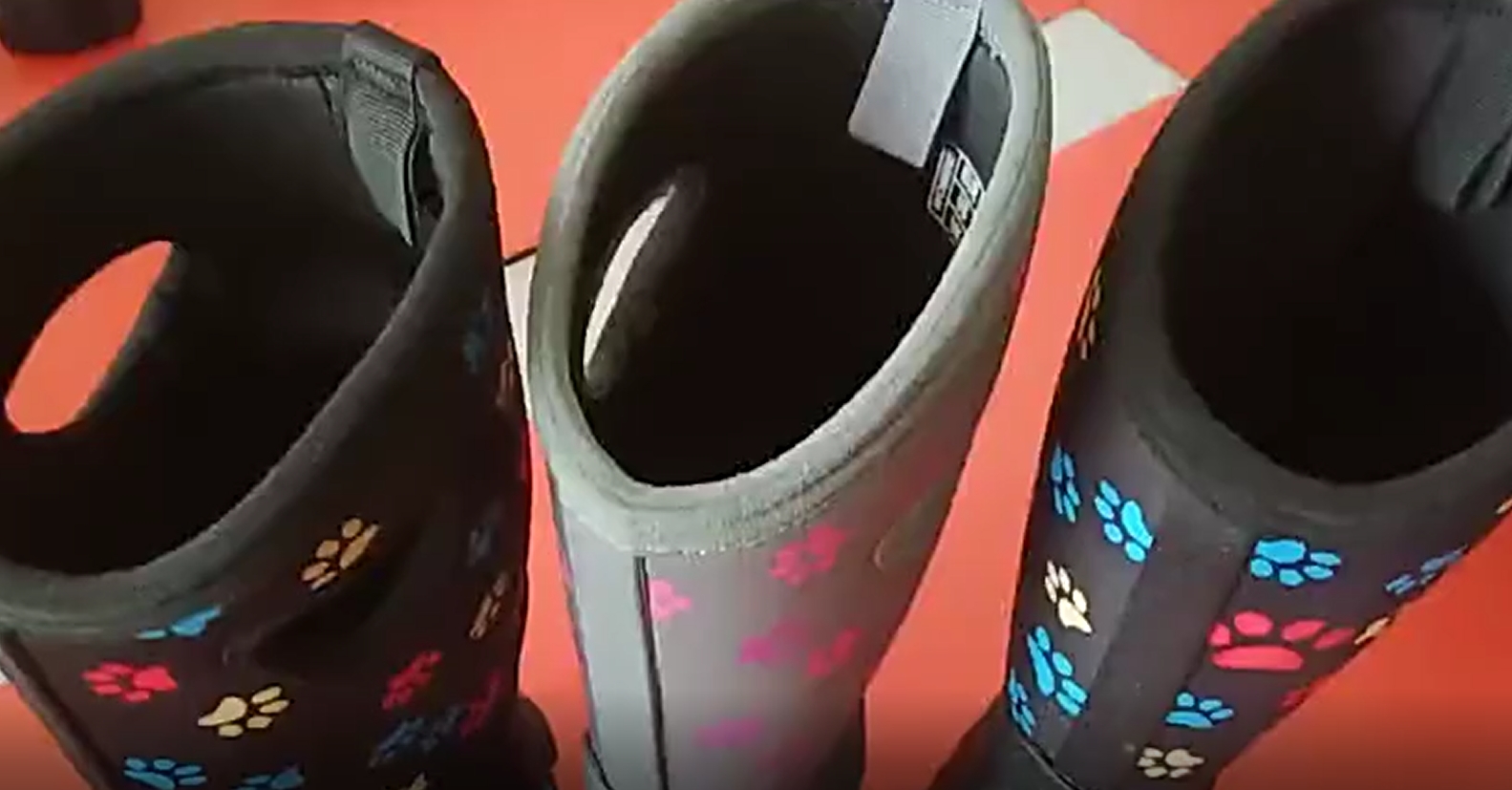
Finding the perfect fit for your rain boots is crucial for comfort and functionality. Whether you're using them for everyday wear or specific activities, the right fit can make a significant difference in your overall experience. In this blog, we will explore whether rain boots should be tight or loose, and provide tips on how to achieve the ideal fit.
Factors to Consider for the Perfect Fit
- Comfort: The primary consideration when choosing the fit of your rain boots is comfort. Boots that are too tight can cause discomfort and restrict movement, while boots that are too loose can lead to blisters and instability.
- Functionality: The fit of your rain boots should also align with their intended use. For example, if you plan to wear them for long periods or during strenuous activities, a snug but comfortable fit is essential to prevent fatigue and ensure proper support.
- Weather Conditions: Consider the weather conditions in which you will be wearing your rain boots. If you expect to wear thick socks for added warmth, you may need to choose a slightly larger size to accommodate the extra layer.
Should Rain Boots Be Tight or Loose?
- Tight Fit:
- Pros: A tighter fit can provide better support and prevent water from seeping in around the edges. It also reduces the risk of blisters caused by friction and ensures better stability during movement. This is especially important if you'll be walking on uneven or slippery surfaces.
- Cons: Boots that are too tight can restrict blood flow, cause discomfort, and lead to pressure points. They may also limit your range of motion, making it difficult to move freely.
-
Loose Fit:
- Pros: A looser fit allows for better air circulation, reducing the likelihood of sweaty feet. It also provides more room for thick socks, which can be beneficial in colder weather.
- Cons: Boots that are too loose can cause your feet to slide around inside, increasing the risk of blisters and instability. They may also allow water to enter more easily, defeating the purpose of waterproof footwear.
Tips for Finding the Perfect Fit
-
Try Them On with Socks: When trying on rain boots, wear the type of socks you plan to use with them. This will give you a more accurate sense of how they will fit in real-world conditions.
-
Check for Proper Length: Your toes should have enough room to wiggle, but not so much that your feet slide forward when you walk. Aim for about a half-inch of space between your longest toe and the end of the boot.
-
Ensure a Snug Heel: Your heel should fit snugly in the boot without lifting excessively when you walk. A secure heel fit helps prevent blisters and improves stability.
-
Test for Width: The widest part of your foot should feel comfortably supported without being squeezed. If the boots feel too tight across the width, consider trying a larger size or a different brand that offers a wider fit.
-
Walk Around: Take a few steps in the boots to see how they feel in motion. Pay attention to any areas of discomfort or pressure and adjust accordingly.
-
Adjustable Features: Some rain boots come with adjustable features such as buckles or elastic gussets. These can help you achieve a more customized fit, especially around the calf area.
Conclusion
The perfect fit for rain boots strikes a balance between being snug enough to provide support and prevent water entry, yet loose enough to ensure comfort and allow for air circulation. By considering factors such as comfort, functionality, and weather conditions, and by following the tips provided, you can find rain boots that fit just right. Whether you're navigating city streets, working in the garden, or enjoying outdoor activities, well-fitting rain boots will keep your feet dry, comfortable, and protected.
- Get link
- X
- Other Apps


Comments
Post a Comment