How to Wear and Care for Your Rain Boots
- Get link
- X
- Other Apps
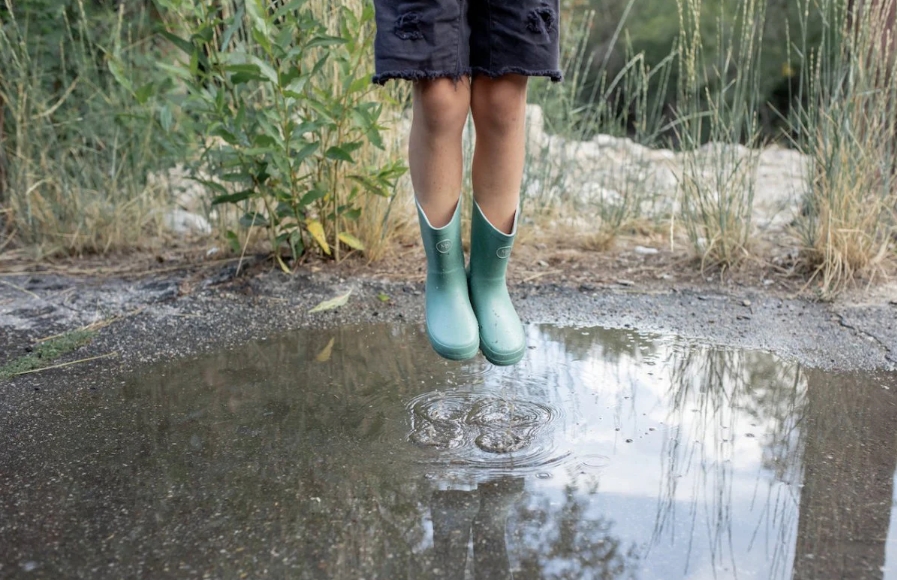
Wearing rain boots correctly and maintaining them properly can ensure both comfort and longevity. Here are some tips on how to wear and care for your rain boots effectively.
Comfort and Functionality
Wearing rain boots correctly is key to both comfort and effectiveness. Choose moisture-wicking socks made from merino wool or synthetic blends to keep your feet dry. For all-day wear, consider adding removable insoles for extra comfort.
Rain boots are often heavier than regular shoes, so you might need to adjust your gait slightly. Break in new boots gradually to avoid blisters. For tall boots, boot liners (or you can go for boots with an inner lining) can add warmth and prevent chafing.
Pairing Rain Boots with Jeans: A Classic Combo
Pairing rain boots with jeans is a popular and practical choice. For tall boots like Hunters, tuck skinny or straight-leg jeans inside the boot. This creates a sleek silhouette and keeps your jeans dry.
With ankle boots, like the Ilse Jacobsen or short wellington boots, you have more options. Cuff your jeans to sit just above the boot top or opt for cropped jeans that naturally hit at the right length. Boyfriend or wide-leg jeans work well with this look.
To prevent bunching, try boot socks with cuffs that hold your jeans in place. For a polished look, ensure your jeans are smooth inside the boot, adjusting as needed throughout the day.
Styling Rain Boots: From Puddles to Fashion Statements
Rain boots have evolved into versatile fashion pieces. Here are some stylish ways to incorporate them into your outfits:
- Urban Chic: Pair tall Hunter boots with opaque tights and a sweater dress. Add a trench coat for a polished city look.
- Weekend Casual: Style Aigle ankle boots with cuffed jeans, a striped tee, and a denim jacket for a relaxed yet put-together outfit.
- Boho Flair: Wear Ilse Jacobsen mid-calf boots with a flowy midi skirt and oversized knit sweater. Layer with a fringed jacket for extra style points.
Finding the Perfect Fit
When it comes to rain boots, you want a fit that's just right - not too tight and not too loose. Your boots should feel snug but comfortable. You should be able to wiggle your toes and have about a finger's width of space at the back of the boot.
If your boots are too tight, they might cause blisters or make your feet sweat. If they're too loose, they could rub and cause discomfort, or even let water in. When trying on rain boots, wear the socks you plan to wear with them. This will help you get the best fit.
Remember, some boots might feel a bit stiff at first but will soften with wear. If you're between sizes, it's usually better to go up rather than down.
Stretching Rain Boots to Fit Calves
If your rain boots feel tight around the calves, there are ways to stretch them for a more comfortable fit. One method is wearing thick socks or layering multiple pairs, then walking around in your boots at home. The heat and pressure will help stretch the material.
For rubber boots, you can try the warm water method. Fill your boots with warm (not hot) water, let them sit for 30 minutes, then wear them with thick socks until they dry. For leather boots, a leather stretching spray can be effective.
For quicker results, apply mild heat to the tight areas using a hairdryer, then wear the boots with thick socks. However, we wouldn’t recommend this, as any form of overheating can damage the material.
Rain Boots for Walking: Comfort for Miles
If you're looking for rain boots that are comfortable enough for walking, consider the following options:
- Hunter Original Short Rain Boots are easier to walk in and still provide excellent waterproof protection. Their lightweight design makes them perfect for running errands or casual strolls.
- Muck Boot Apex boots are designed for longer days in the countryside, these boots are built to handle various terrains while keeping your feet comfortable. They're an excellent choice for those who need reliable footwear for extended outdoor use.
- Ilse Jacobsen Tulip Shoes are another great option. With their cushioned insoles and stylish design, these waterproof shoes are perfect for those who want to look good while staying comfortable. They are ideal for city walks or light outdoor activities.
When choosing rain boots for walking, look for options with good arch support and cushioning to ensure comfort throughout the day.
Traction and Grip
The grip on rain boots can vary widely depending on the brand and model. Many rain boots come with textured soles designed to provide traction on wet surfaces. However, they may not offer the same level of grip as hiking boots or work boots.
If you need boots with excellent traction, look for ones with deep treads and rubber soles designed for slip-resistance. Some high-end rain boots even come with Vibram soles that are popular with hiking boots.
Rain Boots in the Snow
While rain boots are primarily designed for wet weather, they can also be used in snowy conditions with some considerations. Here are a few tips for wearing rain boots in the snow:
-
Insulation: Rain boots typically lack insulation, so your feet might get cold quickly in snowy conditions. To combat this, wear thick, insulated socks or add a thermal liner to your boots. Some brands offer fleece-lined rain boots that provide additional warmth.
-
Traction: Snow and ice can be slippery, so ensure your rain boots have good traction. Look for boots with deep treads or consider adding traction devices like Yaktrax to your boots for better grip on icy surfaces.
-
Waterproofing: While rain boots are waterproof, snow can sometimes melt and seep into the top of the boots. Make sure your boots are tall enough to keep snow out, or wear gaiters to provide an extra barrier.
-
Layering: Layer your clothing to stay warm. Pair your rain boots with thermal leggings or pants, and add a waterproof outer layer to keep the snow from soaking through.
-
Drying: After wearing your rain boots in the snow, make sure to dry them thoroughly. Stuff them with newspaper or use a boot dryer to remove any moisture and prevent mold or mildew from forming.
Caring for Your Rain Boots
Proper care can extend the life of your rain boots and keep them looking good. Here are some tips for maintaining your rain boots:
-
Cleaning: After each use, rinse off any mud or dirt with water. For stubborn stains, use a mild soap and a soft brush. Avoid harsh chemicals that could damage the material.
-
Drying: Always allow your rain boots to air dry naturally. Avoid placing them near direct heat sources like radiators or heaters, as excessive heat can cause the rubber to crack or warp.
-
Storage: Store your rain boots in a cool, dry place away from direct sunlight. Prolonged exposure to sunlight can cause the rubber to degrade and lose its flexibility.
-
Conditioning: To keep the rubber supple and prevent it from drying out, use a rubber conditioner or a silicone-based spray. Apply it according to the manufacturer's instructions, and buff the boots with a soft cloth for a polished finish.
-
Repairs: If your rain boots develop small cracks or holes, you can repair them with a rubber patch kit. Follow the instructions carefully to ensure a watertight seal.
Conclusion
Rain boots are a versatile and practical addition to your wardrobe, offering protection and style in wet and snowy conditions. By choosing the right fit, pairing them with appropriate clothing, and maintaining them properly, you can ensure that your rain boots provide comfort and functionality for years to come. Whether you're navigating city streets, working in the garden, or enjoying outdoor activities, well-cared-for rain boots will keep your feet dry and comfortable, making them a reliable companion in any weather.
- Get link
- X
- Other Apps


Comments
Post a Comment