Are Rain Boots Made of PVC? Understanding the Materials Used in Rain Boot Manufacturing
- Get link
- X
- Other Apps
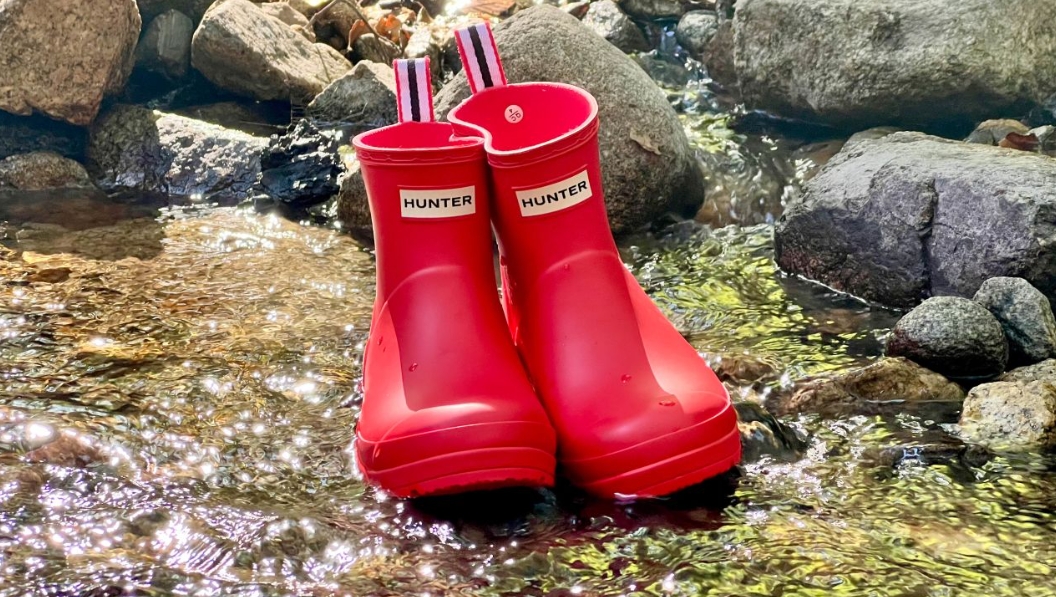
Rain boots are a staple in many wardrobes, especially in regions with frequent rainfall. One common question that arises is: Are rain boots made of PVC? In this blog, we will delve into the materials commonly used in the manufacturing of rain boots, including PVC, and explore their properties, benefits, and drawbacks.
Materials Used in Rain Boot Manufacturing
- PVC (Polyvinyl Chloride): PVC is a synthetic plastic polymer commonly used in rain boot manufacturing. It is known for its durability, flexibility, and waterproof properties. PVC rain boots are often more affordable than those made from natural rubber.
- Natural Rubber: Natural rubber is another popular material for rain boots. It is derived from latex and offers excellent elasticity, comfort, and durability. Natural rubber boots are often considered more eco-friendly than PVC boots.
- Neoprene: Neoprene is a synthetic rubber that provides excellent insulation and flexibility. It is often used in combination with other materials to enhance the comfort and performance of rain boots.
- EVA (Ethylene Vinyl Acetate): EVA is a lightweight, flexible material often used in the soles of rain boots to provide cushioning and shock absorption.
Benefits and Drawbacks of PVC Rain Boots
-
Benefits:
- Waterproof: PVC is inherently waterproof, making it an excellent choice for rain boots.
- Durable: PVC boots are resistant to wear and tear, chemicals, and abrasives, ensuring long-lasting use.
- Affordable: PVC is generally less expensive than natural rubber, making PVC rain boots a cost-effective option.
- Variety of Designs: PVC can be easily molded into various shapes and colors, allowing for a wide range of design options.
-
Drawbacks:
- Less Breathable: PVC is less breathable than natural rubber, which can lead to sweaty feet during prolonged use.
- Environmental Impact: PVC is a type of plastic and can have a more significant environmental impact compared to natural rubber. It is not biodegradable and can release harmful chemicals if not properly disposed of.
Comparing PVC to Other Materials
-
Natural Rubber:
- Pros: Natural rubber is highly elastic, providing excellent comfort and fit. It is also biodegradable and more environmentally friendly than PVC.
- Cons: Natural rubber boots tend to be more expensive and can degrade over time if not properly maintained.
-
Neoprene:
- Pros: Neoprene offers superior insulation, making it ideal for cold weather. It is also highly flexible and comfortable.
- Cons: Neoprene boots can be more expensive and may not be as durable as PVC or natural rubber in certain conditions.
-
EVA:
- Pros: EVA is lightweight and provides excellent cushioning, making it comfortable for long periods of wear.
- Cons: EVA is not as durable as PVC or natural rubber and is generally used in combination with other materials rather than as the primary material for rain boots.
Conclusion
PVC is a popular material for rain boots due to its affordability, durability, and waterproof properties. However, it is essential to consider the environmental impact and breathability when choosing PVC rain boots. Natural rubber, neoprene, and EVA also offer unique benefits and can be suitable alternatives depending on your specific needs and preferences. By understanding the materials used in rain boot manufacturing, you can make an informed decision that best suits your requirements.
- Get link
- X
- Other Apps


Comments
Post a Comment